Alternatives to Social Media Block in Uganda
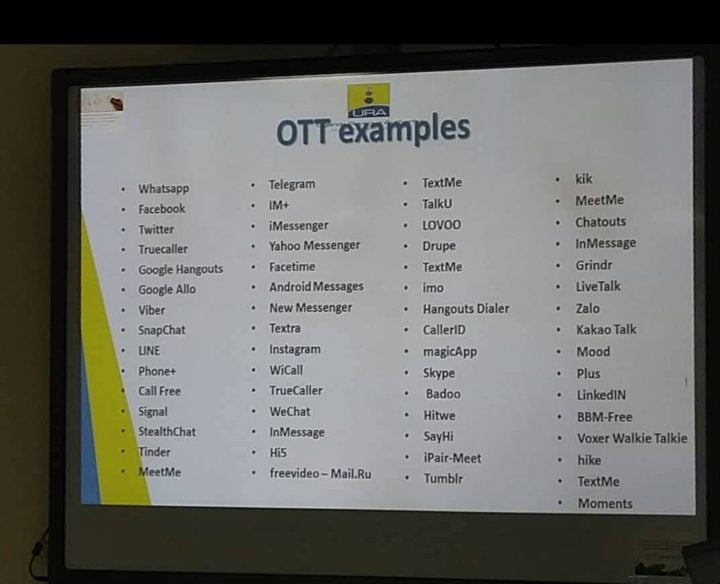
It's just one minute past midnight and this means that all Ugandans are going to be denied access to all the popular social media sites if they have not the daily tax obligation of 200 Uganda Shillings (0.052 USD). The "Blue Ticking" queens should prepare themselves for more tears because now on top of not seeing the blue ticks on Whatsapp, even the second tick may fail to appear since the messages wont be delivered when the block to social media is effected.
1. SMS
When your telecom blocks you from accessing the social media sites worry not. just revert back to the original "Whatsapp" before the smart phone era and Mark Zuckerberg. At the moment all service providers have SMS bundles of different sizes that can be purchased and you keep the jazz going.2. Voice call
With the various call bundles available on the different networks you can still make affordable voice calls to your loved ones . just get a bundle that suits and you're good to go3. Traditional Email
When was the last time you opened your mailbox? many of you owned smart phone devices logged in with your email account but you have never sent a mail with it and probably even forgot the password that day the account was opened. This is the time you should put that email to use, start sending mail to your friends and family. In case you have no one to Email, feel free to contact me.4. POSTA
It's high time you got to know that the country has a national post service, POSTA UGANDA. Go back to the traditional letter writing where you won't be embarrassed by auto-correction and sending the right message to the wrong recipient.5. Use of Taxis, Boda Bodas
Back in the days before mobile phones reached this nation our grand parents used to send messages from one point to another using the taxi service at a very cheap price, I'm fore seeing us going back to those times.6. VPN
A VPN (Virtual Private Network) is a service that lets you access the web safely and privately by routing your connection through a server and hiding your online actions. When you use a VPN service, your data is encrypted (because you’re using their app), goes in encrypted form to your ISP then to the VPN server. The VPN server is the third party that connects to the web on your behalf. This solves the privacy and security problem for us in a couple of ways:- The destination site sees the VPN server as the traffic origin, not you.
- No one can (easily) identify you or your computer as the source of the data, nor what you’re doing (what websites you’re visiting, what data you’re transferring, etc.).
- Your data is encrypted, so even if someone does look at what you’re sending, they only see encrypted information and not raw data.